Every year, Expo West offers more than a preview of new CPG products. It’s an early signal of how consumer expectations are evolving and how brands are responding in real time. This year, the show reinforced a simple reality for CPG products: consumer engagement is being won where performance meets belief.
From an RF|Binder communications and marketing perspective, the most important takeaways aren’t limited to ingredients or formats. The real story is how brands are translating shifts in health priorities, value perceptions and trust into messaging that resonates and has credibility.
A few trends I’d put at the top of the watchlist right now:
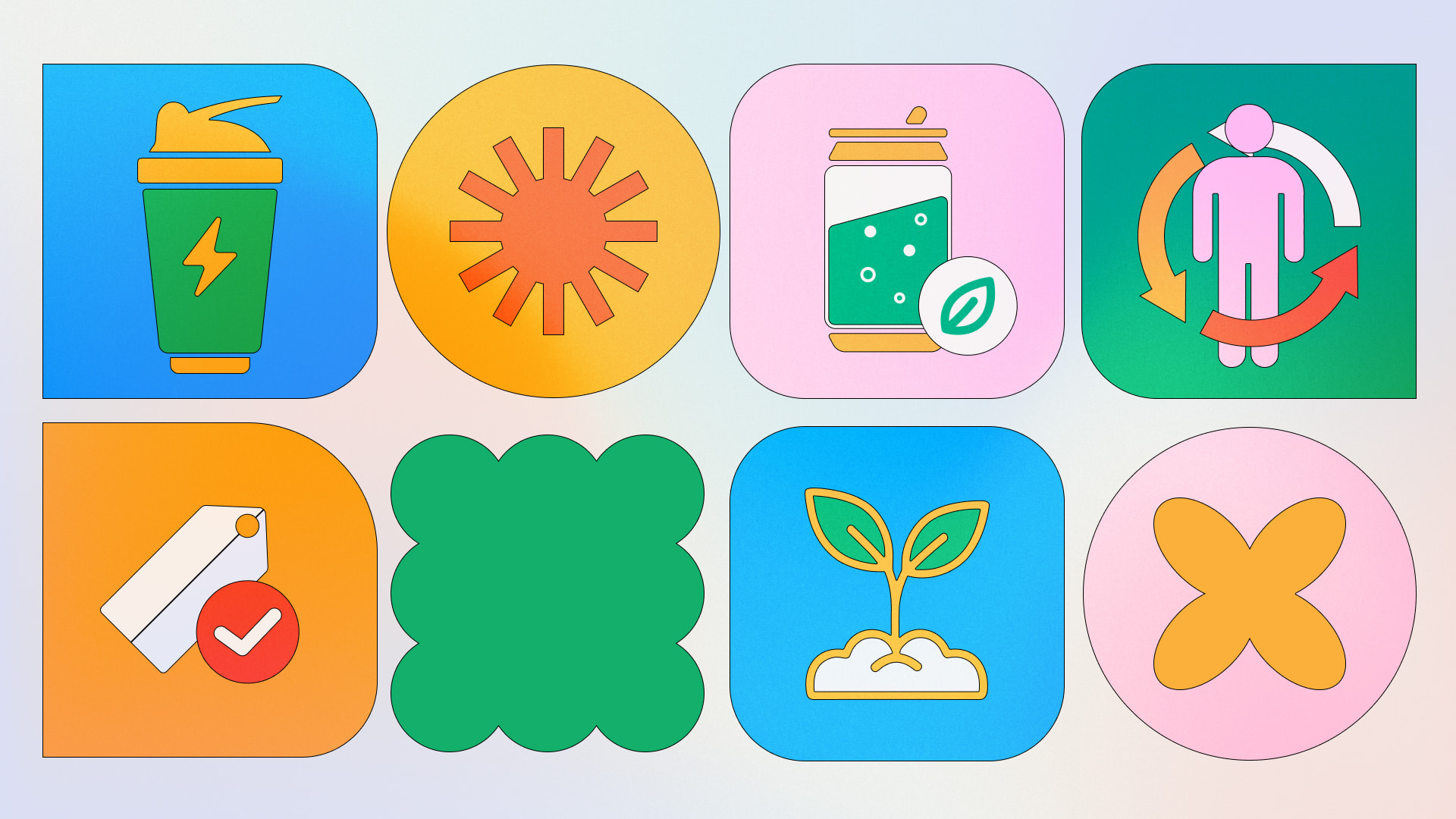
- Protein is no longer the headline – it’s the baseline. Protein-forward is everywhere, so “more grams” isn’t enough. The brands breaking through are making protein feel easy and enjoyable: better taste/texture, smarter formats and consumption occasions that don’t feel like “supplement behavior.” The rise of lighter, more refreshing protein beverages is a good example of how brands are widening the addressable audience for daily protein.
- Functional beverages lean into hydration – they keep expanding because they fit everyday rituals. Modern soda, functional refreshers and “better hydration” continue to evolve. What’s notable is how many brands are packaging function into familiar routines – think soda breaks, afternoon slumps, post-workout and making benefits feel approachable rather than medicinal.
- “Metabolic wellness” is becoming the umbrella narrative. GLP-1 culture, gut health, satiety, energy and longevity are increasingly converging. The opportunity is to communicate outcomes clearly and responsibly. Consumers are increasingly sensitive to overpromising; the strongest brands translate science into everyday language: what people should feel, when and why it matters.
- Better-for-you indulgence is a stealth growth engine – and nostalgia is fueling it. Comfort and nostalgia are powering trial: classic snacks and treats rebuilt with “better” ingredients and functional benefits appeal to younger consumers. This is less about restriction and more about upgrade i.e. delight with fewer tradeoffs. It helps better-for-you brands feel fun, not preachy and it turns “better choices” into “better experiences.”
- The New Standard for Trust: Proof over Promise
Shoppers are label-literate and skepticism is high. What wins trust now is transparency you can substantiate: sourcing stories with receipts, verified standards and impact narratives that connect to the product experience.
If I had to sum it up: Innovation in 2026 is less about novelty and more about relevance, making health benefits feel effortless, making trust feel earned and making better-for-you feel like a genuine upgrade.
What This Means for Communications Teams Right Now
At RF|Binder, we’d translate these trends into a few practical messaging moves:
- Lead with the moment, not the ingredient. Protein and function matter but the story that sticks is the moment: the commute snack, the afternoon slump, the “I want something indulgent that still fits” craving.
- Make benefits feel real, specific and human. Retire generic wellness language and replace it with clear benefits consumers can recognize and talk about without drifting into overclaiming.
- Build a “proof stack” for trust. Treat credibility like a feature: verified standards, sourcing transparency and simple explanations that help retailers and consumers repeat the story accurately.
- Make joy part of the strategy. Nostalgic better-for-you is a powerful trial engine, especially when the ingredient story is clean and the experience is genuinely delicious.
- Design for shareability on purpose. Whether it’s a show-floor activation or a retail moment, build “brand world” elements that turn discovery into content and word-of-mouth.